
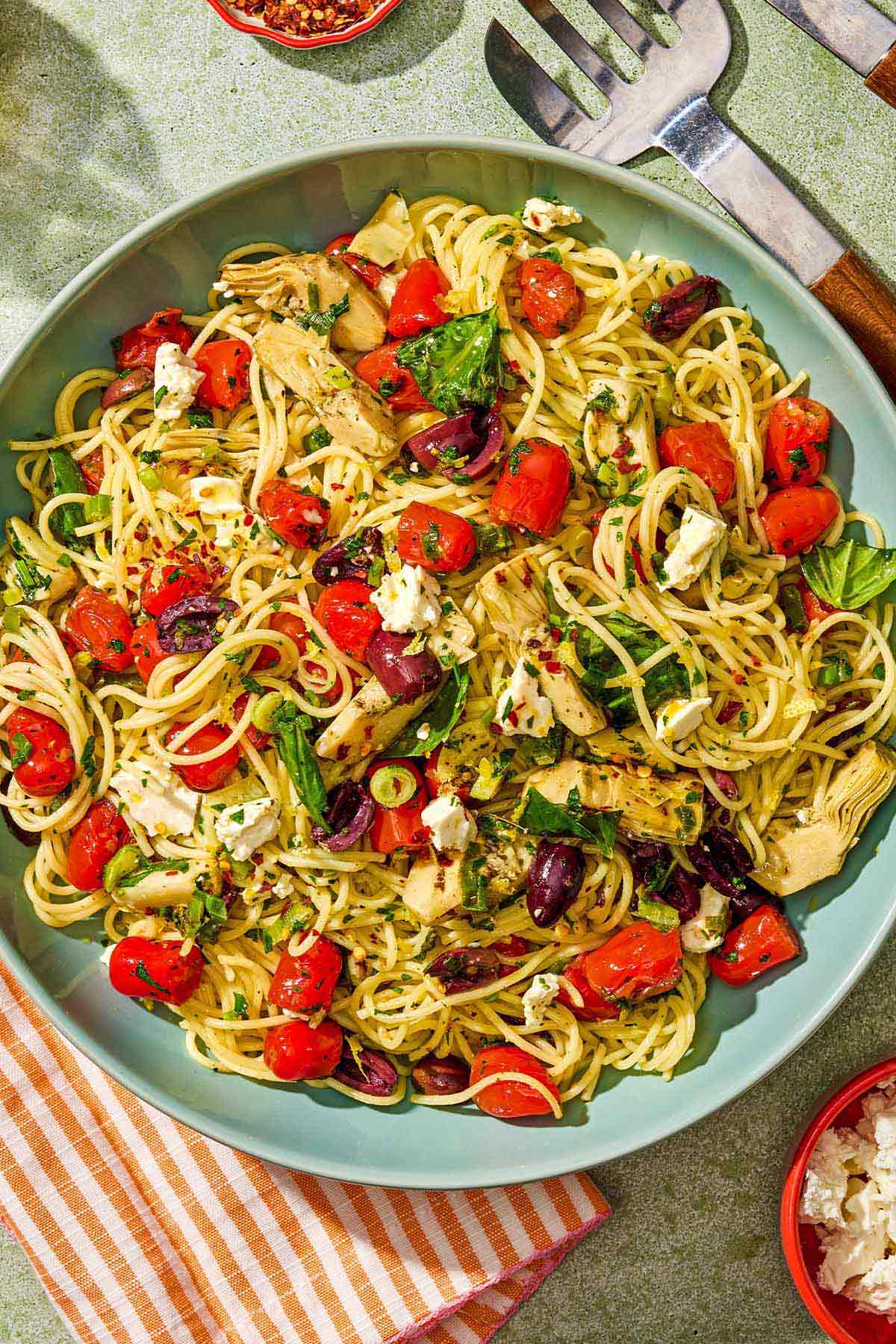
Mediterranean pasta skips all fluffy and heavy sauces in favor of noodles dressed in extra virgin olive oil and tossed with tomatoes, artichokes, basil, olives and feta. Think of it as a Mediterranean pasta flavor party with olive oil!
Mediterranean shade of pasta with olive oil
My Mediterranean pasta recipe is inspired by a popular dish from Naples, Italy called spaghetti aglio e olio, which translates to spaghetti with garlic and oil.
In a typical spaghetti aglio e olio recipe, the pasta is covered in a simple garlic-olive sauce, then garnished with parsley and sometimes grated parmesan. I’ve made this many times for friends and family, and while I love simplicity, sometimes I feel like adding a little extra.
When I started experimenting with this recipe, I wanted to play with my favorite Mediterranean flavors. So, I went one step further and added olive oil pasta with juicy tomatoes, pickled artichoke hearts, olives, feta and of course, sunny lemon zest and fresh herbs. The result is a Mediterranean pasta recipe with bright colors and bright flavors. Every time I do this, my family comes back for seconds. I know yours will too!
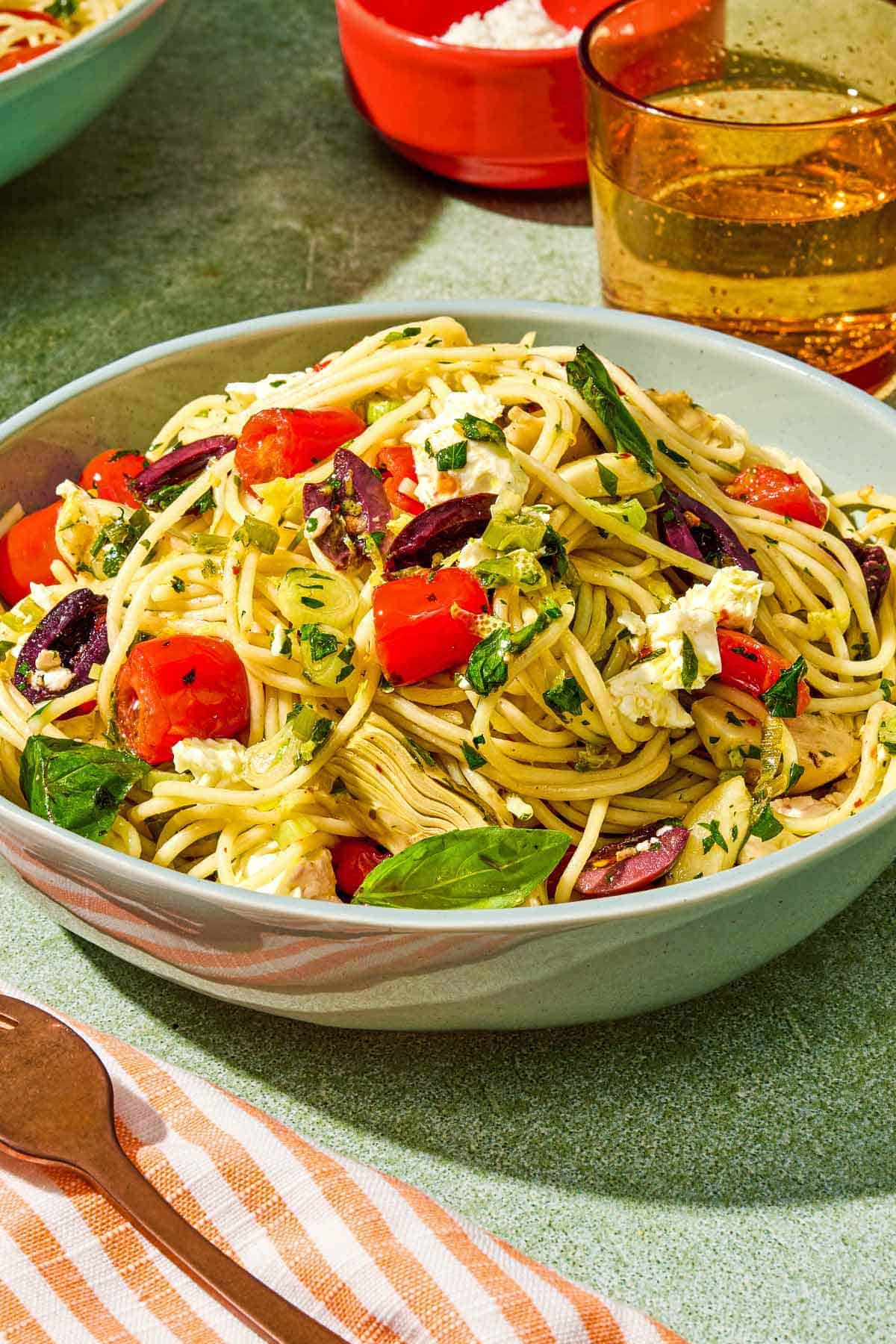
Ingredients of Mediterranean pasta
- Spaghetti: I like thin pasta spaghetti with olive oil, but you can use what you have on hand or get creative and make your own homemade pasta.
- Extra Virgin Olive Oil: This recipe uses olive oil as a sauce, so taste and quality are even more important than usual. I always use our early harvest Greek olive oil. It has a bright, fresh, peppery kick that I just love. If you like a milder olive oil, choose Italian Nocellara.
- Garlic: I use 4 cloves of minced garlic to add a little zing, but you can use less if you like.
- Salt and black pepper: Salt enhances other flavors and pepper adds an earthy heat.
- Parsley: I use 1 cup chopped fresh parsley to add a bright fresh flavor.
- Grape tomatoes good all year round, add color and sweet acidity.
- green onion also called green or spring onion, it has a delicate flavor and does not require long cooking. I use both the white and green parts.
- Artichoke heartscomment : I use pickled artichoke hearts. They are so easy and I love the salty flavor they add to the pasta.
- Kalamata olives or Castelvetrano olives would work well in this recipe. Calamati is a bit more salty, while Castelvetrano is buttery. They both taste great. Or go wild and use a little bit of both!
- Feta adds color, creamy texture and another salty layer of flavor. I prefer brined feta to dry crumbled feta because it’s creamier, but use what you find. Goat cheese would also work well in this recipe.
- Fresh basil sweet and delicate. Break it up and add it at the end to preserve its flavor.
- Lemon peel works like salt in that it brightens other flavors and balances out the healthy fats from the olive oil.
- Crushed red pepper flakes (optional): I like a little heat, and I think it makes this pasta recipe more difficult, but if you’re sensitive to heat, leave it out. If you want a little heat, but not as much burning spice, then Aleppo pepper is a great alternative. It has a soft, complex fruity warmth.
How to cook Mediterranean pasta
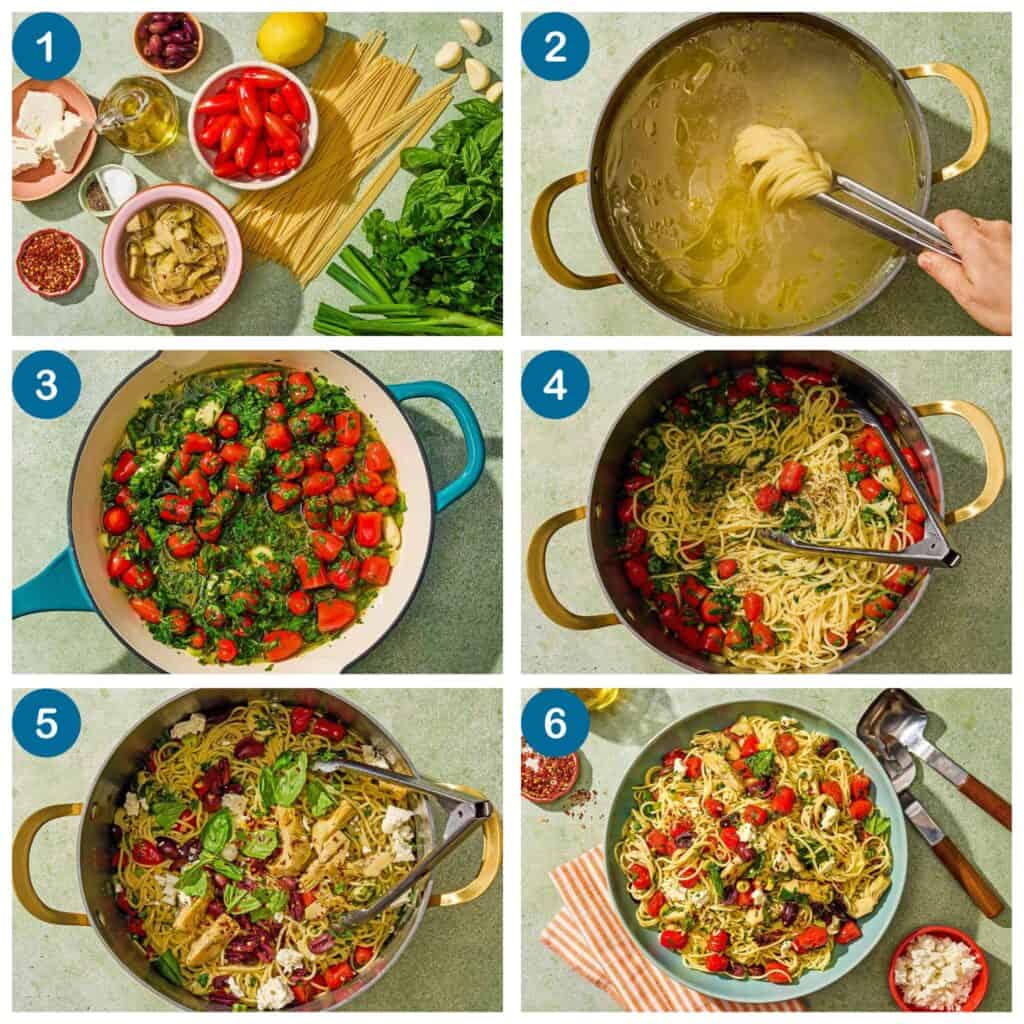
- Cook spaghetti: Follow package directions to cook spaghetti al dente in plenty of boiling water with salt and olive oil. It took about 6 minutes for me.
- Prepare the sauce: When the pasta is almost cooked, place a large frying pan over medium heat and add the extra virgin olive oil. As soon as the oil begins to shimmer, add the garlic and a pinch of salt. Cook for 10 seconds, stirring regularly. Reduce the heat to low, stir in the parsley, tomatoes and chopped onion. Cook until heated through, about 30 to 60 seconds.
- Drain the pasta: When the pasta is ready, remove from the heat, drain the spaghetti and add it to the pan with the sauce. Mix thoroughly. Add the black pepper and toss again to coat.
- Finish and serve: Add the artichokes, olives, feta, basil, lemon zest and crushed red pepper flakes to taste (if using). Throw it again. Serve immediately in pasta bowls and top each with additional basil leaves and feta, if desired. Enjoy!
Pasta recipe tips
First, the features of this dish additional of virgin olive oil and largely depends on its taste. The oil is briefly heated, but not cooked. That’s why you’ll want to use the best quality extra virgin olive oil you can afford.
- I’ve said it before, but it bears repeating. Olive oil is the main flavor, so use the good stuff! To learn more about olive oil, read my guide, Olive Oil 101.
- When preparing the sauce, do not allow the garlic to brown; this will create a bitter flavor. If it browns or burns, you’ll need to throw it out and start over.
- Add the basil at the end to preserve its bright, sweet flavor.
- Add olive oil to the pasta water to keep the noodles separate so they are easier to mix with the sauce when they are ready.
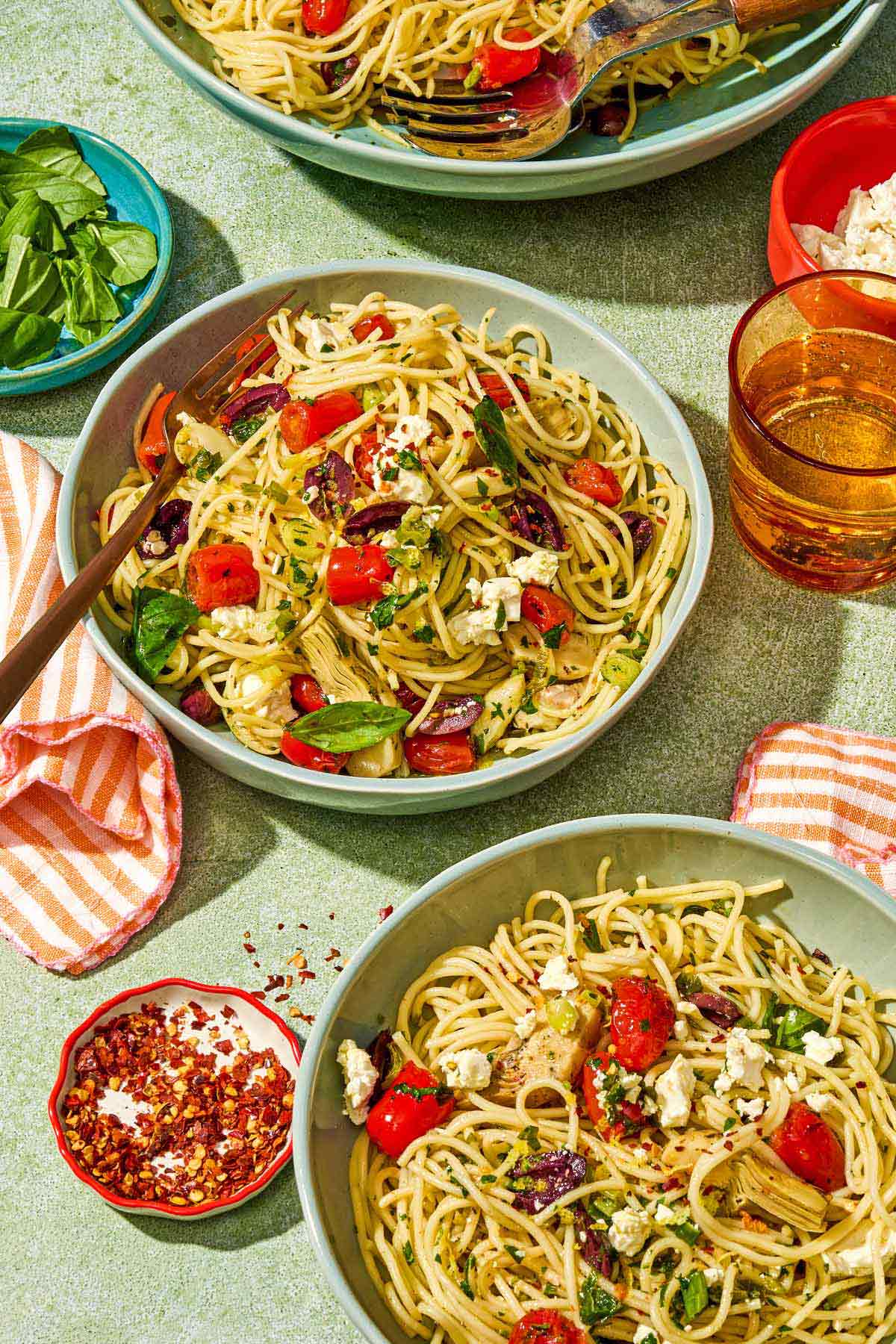
Variations of Mediterranean pasta
- Add protein like chicken, tuna, salmon or chickpeas.
- Toasted pine nuts are expensive, but they add a creamy, nutty texture and flavor that’s worth every penny.
- Change the cheese: I like feta or chevre in this recipe, but you can use parmeser or romano, just keep in mind that both cheeses are harder and drier than the others, so there won’t be creamy bits of feta in the pasta.
- Mix the vegetables: Mediterranean pasta is endlessly versatile, when in season use diced heirloom tomatoes, zucchini, yellow squash, blanched asparagus, even leftover roasted vegetables.
- Make it vegan: Nowadays, you can find vegetarian cheese almost everywhere, and even some vegan cheeses. If you want to make this olive oil pasta recipe vegan, you can omit the cheese, replace it with vegan cheese, or use nutritional yeast.
More Mediterranean pasta recipes
Here are some of my favorite vegetarian pasta recipes with simple sauces. Give them a try, you might find a new favorite.
- Light lemon paste
- Cheese and black pepper
- Paste from sun-dried tomatoes
- Fried red pepper paste
- Pasta alla Norma (Sicilian pasta with eggplant)
- Pasta e ceci (pasta with chickpeas)
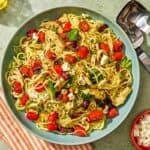
Mediterranean pasta with olive oil
#wprm-recipe-user-rating-0 .wprm-rating-star.wprm-rating-star-full svg * {fill: #343434; }#wprm-recipe-user-rating-0 .wprm-rating-star.wprm-rating-star-33 svg * {fil: url(#wprm-recipe-user-rating-0-33); }#wprm-recipe-user-rating-0 .wprm-rating-star.wprm-rating-star-50 svg * {fil: url(#wprm-recipe-user-rating-0-50); }#wprm-recipe-user-rating-0 .wprm-rating-star.wprm-rating-star-66 svg * {fil: url(#wprm-recipe-user-rating-0-66); }linearGradient#wprm-recipe-user-rating-0-33 stop {stop-color: #343434; }linearGradient#wprm-recipe-user-rating-0-50 stop {stop-color: #343434; }linearGradient#wprm-recipe-user-rating-0-66 stop {stop-color: #343434; }
Ingredients
- 1 a pound Spaghetti
- 1/2 a cup Early Harvest Extra Virgin Greek Olive Oil or Private Reserve Extra Virgin Olive Oil
- 4 cloves of garlic crushed
- salt
- 1 a cup chopped fresh parsley
- 12 ounce grape tomatoes bad ones
- 3 green onion, green onions, cut from above, whites and greens are chopped
- 1 h.l black pepper
- 6 ounce pickled Jerusalem artichoke hearts, drained
- 1/4 a cup pitted Kalamata olives, bad ones
- 1/4 a cup shredded feta cheese, more if you want
- 10-15 fresh basil leaves torn apart
- zest of 1 lemon
- crushed red pepper flakes, optional
Instruction
-
Cook spaghetti: Follow package directions to cook spaghetti al dente in plenty of boiling water with salt and olive oil. It took about 6 minutes for me.
-
Prepare the sauce: When the pasta is almost cooked, place a large frying pan over medium heat and add the extra virgin olive oil. As soon as the oil begins to shimmer, add the garlic and a pinch of salt. Cook for 10 seconds, stirring regularly. Reduce the heat to low, stir in the parsley, tomatoes and chopped onion. Cook until heated through, about 30 to 60 seconds.
-
Drain the pasta: When the pasta is ready, remove from the heat, drain the spaghetti and add it to the pan with the sauce. Mix thoroughly. Add the black pepper and toss again to coat.
-
Finish and serve: Add the artichokes, olives, feta, basil, lemon zest and crushed red pepper flakes to taste (if using). Throw it again. Serve immediately in pasta bowls and top each with additional basil leaves and feta, if desired. Enjoy!
Video
Notes
Nutrition
Collect and save!
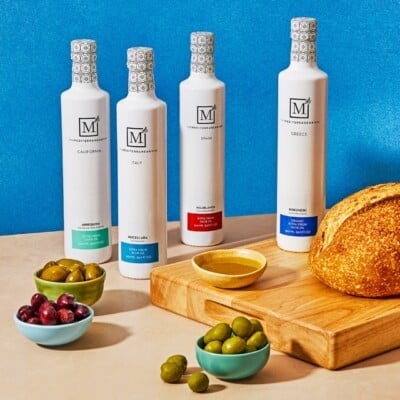
Four of our best-selling signature olive oils, perfect for everyday use.
The post Mediterranean Pasta appeared first on The Mediterranean Dish.
PakarPBN
A Private Blog Network (PBN) is a collection of websites that are controlled by a single individual or organization and used primarily to build backlinks to a “money site” in order to influence its ranking in search engines such as Google. The core idea behind a PBN is based on the importance of backlinks in Google’s ranking algorithm. Since Google views backlinks as signals of authority and trust, some website owners attempt to artificially create these signals through a controlled network of sites.
In a typical PBN setup, the owner acquires expired or aged domains that already have existing authority, backlinks, and history. These domains are rebuilt with new content and hosted separately, often using different IP addresses, hosting providers, themes, and ownership details to make them appear unrelated. Within the content published on these sites, links are strategically placed that point to the main website the owner wants to rank higher. By doing this, the owner attempts to pass link equity (also known as “link juice”) from the PBN sites to the target website.
The purpose of a PBN is to give the impression that the target website is naturally earning links from multiple independent sources. If done effectively, this can temporarily improve keyword rankings, increase organic visibility, and drive more traffic from search results.
Jasa Backlink
Download Anime Batch